Physical stores are no longer just places to buy products. They are part of a larger shopping experience that begins online. In 2026, customers expect to discover brands, compare products, and even start their purchase journey from their phones or laptops before stepping into a store.
For offline retailers, adding an e-commerce store is no longer optional. It is how you stay visible, competitive, and ready for the way people actually shop today.
1. Your customers are already shopping online
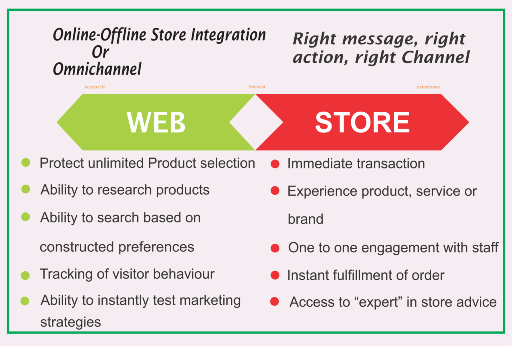
Most buying journeys start with a search. People look up products, read reviews, check prices, and compare options before they ever visit a store. If your business exists only offline, you are invisible during this critical research phase.
An online store allows you to:
- Appear in search results when customers look for what you sell
- Show your full catalog with clear photos, descriptions, and prices
- Let customers explore your range at any time, not just during store hours
Without e-commerce, you lose these early moments of attention to competitors who are present online.
2. Reach customers beyond your local area
A physical store serves people who can walk or drive to your location. An online store serves anyone with internet access.
With e-commerce, you can:
- Sell to customers in other cities, states, or countries
- Turn local shoppers into repeat online buyers after they visit your store
- Grow your brand even when foot traffic is slow
This expanded reach is one of the biggest advantages of adding an online channel to an existing offline business.
3. Increase sales without increasing store size
Physical stores have limits: shelf space, staff availability, and opening hours. An online store removes many of these limits.
E-commerce helps you:
- Showcase your full product range, not just what fits on shelves
- Sell 24/7, even when your store is closed
- Test new products or categories without rearranging your entire store
Many retailers find that online and offline sales support each other. Customers who discover you online often visit your store, and in-store customers often return to buy online later.
4. Offer a smoother customer experience
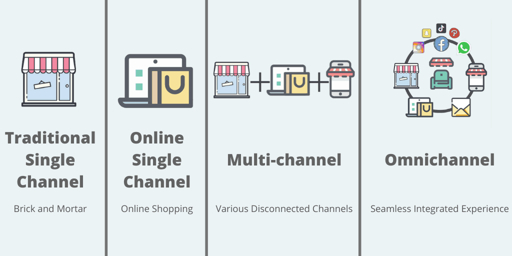
Modern shoppers expect flexibility. They want to research online, pick up in store, return easily, and get consistent information across all channels.
With an integrated online + offline setup, you can offer:
- Buy online, pick up in store (BOPIS)
- Check in-store stock from your website
- Easy returns and exchanges across channels
- Unified promotions and loyalty programs
This kind of omnichannel experience improves satisfaction and encourages repeat purchases.
5. Collect data and understand your customers better
Offline stores see transactions, but not always the full story. E-commerce platforms provide detailed data about:
- Which products people view most
- Where customers drop off in the buying process
- Which marketing channels drive the most sales
- Repeat purchase behavior and customer lifetime value
These insights help you make smarter decisions about inventory, pricing, promotions, and store layout. Over time, this data-driven approach can significantly improve performance for both online and offline channels.
6. Future‑proof your business
Retail is shifting toward blended experiences. Customers move between online and offline without thinking about “channels.” They simply expect a smooth, consistent experience.
Businesses that operate only offline risk falling behind as competitors build:
- Stronger online presence
- Better digital customer experiences
- More flexible shopping options
Adding e-commerce is not about replacing your physical store. It is about strengthening it and ensuring your business can adapt as customer behavior changes.
The bottom line
Offline stores do not need to choose between physical and online. The strongest retail businesses in 2026 use both.
E-commerce helps you:
- Be found by more customers
- Sell beyond your local area
- Increase revenue without expanding your physical space
- Offer a smoother, more flexible customer experience
- Use data to improve decisions across your entire business
If you run an offline store, the question is no longer “Do we need e-commerce?” but “How quickly can we build it well?”
Need help building your online store?
At Code On Cart, we help offline retailers launch and optimize e-commerce stores on Shopify, Magento, Adobe Commerce, WordPress, and WooCommerce.
If you are ready to take your offline store online—or improve an existing online setup—talk to us about your project.
Leave a Reply